

South Africa. 2,798 kilometers of coastline, 24 national parks, 11 official languages. The “Rainbow Nation” of South Africa offers countless highlights for travelers—scenic, cultural, and culinary. Melanie and Jürgen Schlotze from the travel blog Lifetravellerz.com have visited South Africa several times and share their top Places to Be.
Many travelers visiting South Africa for the first time choose a route that includes Cape Town and the famous Garden Route. However, beyond these well-known hotspots, South Africa offers countless other destinations worth planning a return trip to the Rainbow Nation.
The Sani Pass is the highest pass in South Africa and lies in the heart of the stunning Drakensberg Mountains, which stretch between Lesotho and South Africa. The world’s third-steepest pass road is unpaved on the South African side and may only be driven with four-wheel-drive vehicles. The pass sits at 2,873 meters above sea level, and after the adventurous drive, you can recharge at the highest pub in Africa and explore the fascinating and lesser-known country of Lesotho.
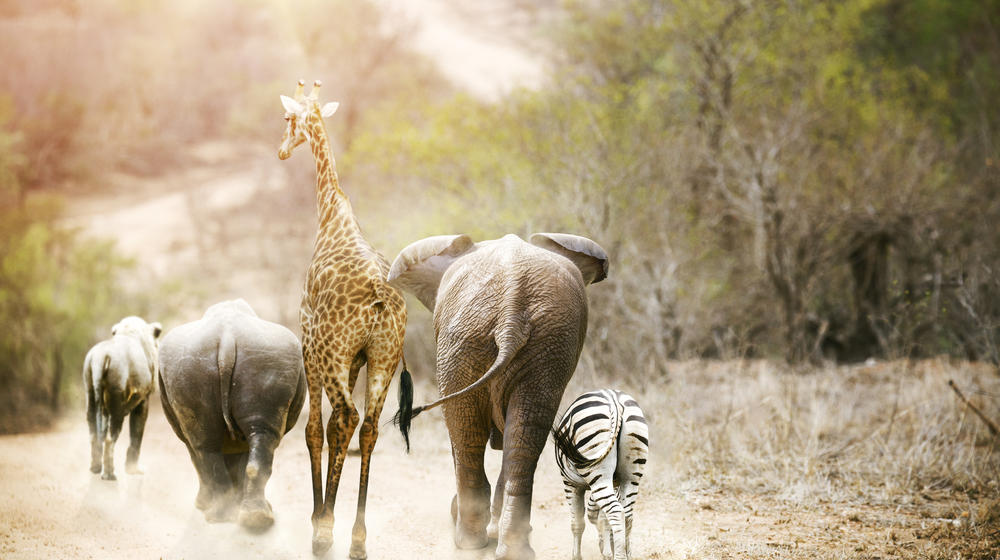
South Africa is known for its national parks, where you can observe countless wild animals. The most famous are Kruger National Park and Addo Elephant National Park in the Eastern Cape. Much less frequented but scenically impressive is the iSimangaliso Wetland Park near Saint Lucia in the KwaZulu-Natal region. Numerous waterways are home to hippos and crocodiles, which can be observed from boats. These seemingly sluggish but dangerous hippos often roam through the town center of Saint Lucia at night in search of food. You can drive through iSimangaliso Wetland Park in your own car and spot giraffes, antelopes, zebras, vervet monkeys, buffalo, and many other animals.
Perhaps the most untouched stretch of coastline in South Africa is the Wild Coast in the Eastern Cape. Places like Port St. Johns are a haven for dropouts and hippies, but the Wild Coast is increasingly attracting visitors who enjoy hiking, visiting spectacular spots like the “Hole In The Wall,” or marveling at cows on the beach. Even the journey to the villages of the Wild Coast is far more adventurous than the very European-feeling Garden Route. A visit to the Wild Coast also offers the opportunity to visit Nelson Mandela’s birthplace or learn more about his life at the Nelson Mandela Museum in Umtata.
Just a few hours’ drive north of Cape Town are the Cederberg Mountains, still largely undiscovered by tourists. Many Capetonians use weekends to explore the impressive Cederbergs, hiking, camping, and discovering a landscape reminiscent of Wild West films. The best time to visit is during the South African spring, when the vegetation is in bloom.
On the way to the Cederbergs, along the west coast north of Cape Town, lies the West Coast National Park. This park is home to many birds, wild animals, and a unique turquoise lagoon. Visitors can explore the West Coast National Park by bike, on foot, or by car. A special highlight is the beautiful bay of Kraalbaai, where you can enjoy a relaxing beach day, swim in the warm lagoon waters, and unwind. With a bit of luck, you might spot one of the small, harmless sand sharks that give “Shark Bay” its name. In Kraalbaai, you can also stay overnight in small houseboats. From August to September, parts of the West Coast National Park transform into magnificent flower fields.
Discover these impressive places—of which South Africa undoubtedly has countless more to offer!