

TravelMagazine


Everything about travel

Find out everything about travel safety and travel preparation, regular travel tips from experts and important events around the world.

Check out now

First aid Travel kit

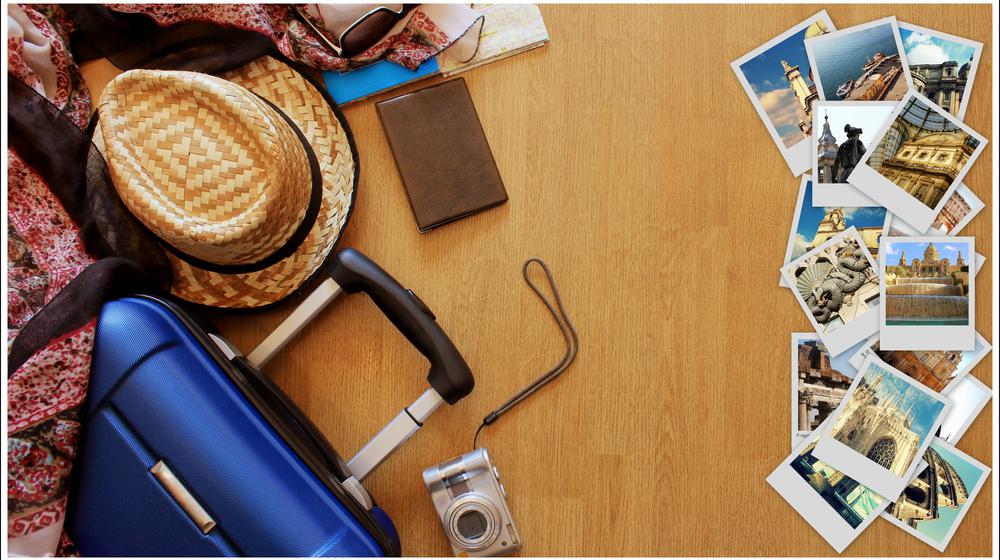
On the floor lie various photos of travel destinations, a straw hat, and a suitcase next to it.

It’s rarely too early, but very easily too late to think about your health before going on a trip—especially when heading to exotic destinations. It starts with taking out travel insurance to be covered in case of an accident or serious illness, continues with vaccinations, and ends with a travel pharmacy that should never be missing from your luggage.

Univ. Prof. Dr. Herwig Kollaritsch from the Center for Travel Medicine (www.reisemed.at) in Vienna offers valuable recommendations for travel preparations.

Vaccination protection on long-distance trips: Basic vaccinations often underestimated

Never before have we had access to such a comprehensive range of travel vaccines that can be used so precisely. Nevertheless, the vaccinations included in the Austrian vaccination plan are often undervalued as a component of health protection during travel. One not to underestimate is rabies, which kills at least 50,000 people worldwide each year. The incubation period of up to a year for this always fatal viral disease leads to stressful uncertainty. Equally important is existing protection against polio, a disease once considered eradicated. Since the virus has been detected in several countries, the spread of polio is once again a serious threat. It’s best to use your trip as an opportunity to check the current status of your vaccinations. Depending on the travel time, destination, and type of trip, there are various infection risks. A detailed assessment and additional individual vaccination protection should be discussed with a travel medicine specialist.

Assembling the travel pharmacy

Prof. Kollaritsch strongly recommends bringing your own medications—those you are familiar with and tolerate well. Medicines in other countries may have different compositions, and package inserts in foreign languages can lead to incorrect usage. First and foremost, pack the medications you take regularly. Make sure you have enough for the entire duration of your stay. Since travel usually begins with some form of transportation, it’s wise to prepare for nausea if you’re prone to it.

Once you arrive: Be prepared for common risks

Diarrhea can really ruin your well-deserved vacation—or at least a few days of it. Travelers to exotic destinations should not underestimate this spoiler. Various supplements can help strengthen gut flora in advance, and once on-site, be cautious about what you eat. Not everything locals tolerate is easily digestible for Europeans. Be wary of ice cubes, unpeeled fruit, or uncooked salads. For worst-case scenarios, tablets like activated charcoal should be included in your travel pharmacy.

Mosquito bites are annoying and potentially dangerous, as they transmit not only malaria (for which prophylaxis is available) but also other diseases like dengue fever. In the best case, they cause itchy red spots. Your travel pharmacy should definitely include mosquito repellents and anti-itch creams to prevent inflammation.

Allergies can be sneaky and not always known. Different grasses and plants grow in other regions. If you’re allergic to pollen, keep that in mind while traveling. Nasal and eye drops, as well as creams, are good travel companions—not just for allergy sufferers.

Athletes tend to overexert themselves on vacation because they rarely have time for so much activity otherwise. Whether kite surfers, hikers, cyclists, or other movement enthusiasts, all should play it safe and pack suitable remedies for sports injuries and overexertion.

Sun worshippers know how important sun protection is. What they often underestimate is the strength of the sun on other continents. Sunburn is not only annoying but also dangerous—especially when it causes blisters. Prevention is best, but in the worst case, burn ointments can help.

For minor ailments, don’t forget band-aids, bandages, disinfectants, and similar items. Also bring medications for sore throats, which often occur after long periods near air conditioning, such as on airplanes. Remedies for respiratory and ear infections, as well as headaches, round out the travel pharmacy and provide peace of mind.

General rule: Better to bring a few extra items than too few.

If you prefer to avoid carrying too many chemical products, you can opt for a homeopathic travel pharmacy, which often comes in handy kits that cover nearly all minor health issues. Tried-and-true home remedies are also an option, but they should be well-tested and require long-term planning and proper knowledge. No one should head off on vacation with a carefree “It’ll be fine” attitude.

Our latest articles

First aid Travel kit

On the floor lie various photos of travel destinations, a straw hat, and a suitcase next to it.

It’s rarely too early, but very easily too late to think about your health before going on a trip—especially when heading to exotic destinations. It starts with taking out travel insurance to be covered in case of an accident or serious illness, continues with vaccinations, and ends with a travel pharmacy that should never be missing from your luggage.

Univ. Prof. Dr. Herwig Kollaritsch from the Center for Travel Medicine (www.reisemed.at) in Vienna offers valuable recommendations for travel preparations.

Vaccination protection on long-distance trips: Basic vaccinations often underestimated

Never before have we had access to such a comprehensive range of travel vaccines that can be used so precisely. Nevertheless, the vaccinations included in the Austrian vaccination plan are often undervalued as a component of health protection during travel. One not to underestimate is rabies, which kills at least 50,000 people worldwide each year. The incubation period of up to a year for this always fatal viral disease leads to stressful uncertainty. Equally important is existing protection against polio, a disease once considered eradicated. Since the virus has been detected in several countries, the spread of polio is once again a serious threat. It’s best to use your trip as an opportunity to check the current status of your vaccinations. Depending on the travel time, destination, and type of trip, there are various infection risks. A detailed assessment and additional individual vaccination protection should be discussed with a travel medicine specialist.

Assembling the travel pharmacy

Prof. Kollaritsch strongly recommends bringing your own medications—those you are familiar with and tolerate well. Medicines in other countries may have different compositions, and package inserts in foreign languages can lead to incorrect usage. First and foremost, pack the medications you take regularly. Make sure you have enough for the entire duration of your stay. Since travel usually begins with some form of transportation, it’s wise to prepare for nausea if you’re prone to it.

Once you arrive: Be prepared for common risks

Diarrhea can really ruin your well-deserved vacation—or at least a few days of it. Travelers to exotic destinations should not underestimate this spoiler. Various supplements can help strengthen gut flora in advance, and once on-site, be cautious about what you eat. Not everything locals tolerate is easily digestible for Europeans. Be wary of ice cubes, unpeeled fruit, or uncooked salads. For worst-case scenarios, tablets like activated charcoal should be included in your travel pharmacy.

Mosquito bites are annoying and potentially dangerous, as they transmit not only malaria (for which prophylaxis is available) but also other diseases like dengue fever. In the best case, they cause itchy red spots. Your travel pharmacy should definitely include mosquito repellents and anti-itch creams to prevent inflammation.

Allergies can be sneaky and not always known. Different grasses and plants grow in other regions. If you’re allergic to pollen, keep that in mind while traveling. Nasal and eye drops, as well as creams, are good travel companions—not just for allergy sufferers.

Athletes tend to overexert themselves on vacation because they rarely have time for so much activity otherwise. Whether kite surfers, hikers, cyclists, or other movement enthusiasts, all should play it safe and pack suitable remedies for sports injuries and overexertion.

Sun worshippers know how important sun protection is. What they often underestimate is the strength of the sun on other continents. Sunburn is not only annoying but also dangerous—especially when it causes blisters. Prevention is best, but in the worst case, burn ointments can help.

For minor ailments, don’t forget band-aids, bandages, disinfectants, and similar items. Also bring medications for sore throats, which often occur after long periods near air conditioning, such as on airplanes. Remedies for respiratory and ear infections, as well as headaches, round out the travel pharmacy and provide peace of mind.

General rule: Better to bring a few extra items than too few.

If you prefer to avoid carrying too many chemical products, you can opt for a homeopathic travel pharmacy, which often comes in handy kits that cover nearly all minor health issues. Tried-and-true home remedies are also an option, but they should be well-tested and require long-term planning and proper knowledge. No one should head off on vacation with a carefree “It’ll be fine” attitude.

Traveltips and Travelsafety

First aid Travel kit

On the floor lie various photos of travel destinations, a straw hat, and a suitcase next to it.

It’s rarely too early, but very easily too late to think about your health before going on a trip—especially when heading to exotic destinations. It starts with taking out travel insurance to be covered in case of an accident or serious illness, continues with vaccinations, and ends with a travel pharmacy that should never be missing from your luggage.

Univ. Prof. Dr. Herwig Kollaritsch from the Center for Travel Medicine (www.reisemed.at) in Vienna offers valuable recommendations for travel preparations.

Vaccination protection on long-distance trips: Basic vaccinations often underestimated

Never before have we had access to such a comprehensive range of travel vaccines that can be used so precisely. Nevertheless, the vaccinations included in the Austrian vaccination plan are often undervalued as a component of health protection during travel. One not to underestimate is rabies, which kills at least 50,000 people worldwide each year. The incubation period of up to a year for this always fatal viral disease leads to stressful uncertainty. Equally important is existing protection against polio, a disease once considered eradicated. Since the virus has been detected in several countries, the spread of polio is once again a serious threat. It’s best to use your trip as an opportunity to check the current status of your vaccinations. Depending on the travel time, destination, and type of trip, there are various infection risks. A detailed assessment and additional individual vaccination protection should be discussed with a travel medicine specialist.

Assembling the travel pharmacy

Prof. Kollaritsch strongly recommends bringing your own medications—those you are familiar with and tolerate well. Medicines in other countries may have different compositions, and package inserts in foreign languages can lead to incorrect usage. First and foremost, pack the medications you take regularly. Make sure you have enough for the entire duration of your stay. Since travel usually begins with some form of transportation, it’s wise to prepare for nausea if you’re prone to it.

Once you arrive: Be prepared for common risks

Diarrhea can really ruin your well-deserved vacation—or at least a few days of it. Travelers to exotic destinations should not underestimate this spoiler. Various supplements can help strengthen gut flora in advance, and once on-site, be cautious about what you eat. Not everything locals tolerate is easily digestible for Europeans. Be wary of ice cubes, unpeeled fruit, or uncooked salads. For worst-case scenarios, tablets like activated charcoal should be included in your travel pharmacy.

Mosquito bites are annoying and potentially dangerous, as they transmit not only malaria (for which prophylaxis is available) but also other diseases like dengue fever. In the best case, they cause itchy red spots. Your travel pharmacy should definitely include mosquito repellents and anti-itch creams to prevent inflammation.

Allergies can be sneaky and not always known. Different grasses and plants grow in other regions. If you’re allergic to pollen, keep that in mind while traveling. Nasal and eye drops, as well as creams, are good travel companions—not just for allergy sufferers.

Athletes tend to overexert themselves on vacation because they rarely have time for so much activity otherwise. Whether kite surfers, hikers, cyclists, or other movement enthusiasts, all should play it safe and pack suitable remedies for sports injuries and overexertion.

Sun worshippers know how important sun protection is. What they often underestimate is the strength of the sun on other continents. Sunburn is not only annoying but also dangerous—especially when it causes blisters. Prevention is best, but in the worst case, burn ointments can help.

For minor ailments, don’t forget band-aids, bandages, disinfectants, and similar items. Also bring medications for sore throats, which often occur after long periods near air conditioning, such as on airplanes. Remedies for respiratory and ear infections, as well as headaches, round out the travel pharmacy and provide peace of mind.

General rule: Better to bring a few extra items than too few.

If you prefer to avoid carrying too many chemical products, you can opt for a homeopathic travel pharmacy, which often comes in handy kits that cover nearly all minor health issues. Tried-and-true home remedies are also an option, but they should be well-tested and require long-term planning and proper knowledge. No one should head off on vacation with a carefree “It’ll be fine” attitude.

To top