

“Is flying really safe?” – “What if I have a panic attack on the plane?” – “How can I prepare for flying?”
If you’re asking yourself these questions, you’re not alone. Around 20 to 30 percent of people suffer from aviophobia (fear of flying), meaning they feel uncomfortable or even experience intense fear at the thought of flying. This guide provides clear answers, practical tips, and helpful strategies to help you manage your fear of flying – so you can start your journey feeling relaxed, and even a long-haul flight won’t be a problem anymore.
Key Takeaways
In this guide, you’ll learn:
- How safe flying really is – and why you don’t need to fear turbulence.
- What symptoms can occur with fear of flying – and how to recognize them.
- What causes fear of flying – from fear of losing control to fear of heights.
- How to prepare before your trip – with simple tips for more confidence.
- What you can do during the flight – to stay calm and composed.
- What additional support is available – from courses to relaxation techniques.
Is flying really safe?
Yes – flying is one of the safest modes of transportation worldwide. Statistically, the likelihood of being involved in a plane crash is about 1 in 30 million. For comparison: the risk when driving a car is about 1 in 15,000.
Turbulence is also no cause for concern. It’s more like a bumpy road while driving. Planes are built to withstand even strong air movements without issue. Regular maintenance and strict safety standards ensure the highest level of safety.
Typical symptoms of fear of flying
Many people begin to feel increasingly uneasy days before their flight. Common symptoms of fear of flying include:
- Nervousness, sweating, trembling
- Nausea, dizziness, heart palpitations
- Shortness of breath, crying, or panic attacks
These reactions are unpleasant but not dangerous – and with the right preparation, they can be significantly reduced.
Possible causes of fear of flying
The reasons for fear of flying are varied. Common triggers include:
- Fear of losing control or the unknown
- Past negative experiences
- Claustrophobia (fear of confined spaces)
- Fear of heights or crashing
- Stress from airport procedures or crowds
- Noises or turbulence during the flight
Tips for preparing before your trip
Good preparation can help ease your fear of flying. Proven strategies include:
- Learn about the flight process – knowledge is calming.
- Talk to friends or family about your concerns.
- Choose your seat early – e.g., an aisle seat or over the wings.
- Get plenty of rest before your travel day, pack early, and arrive at the airport with time to spare.
- Wear comfortable clothing and avoid heavy meals or caffeine.
What you can do during the flight
There are many ways to relax and manage your fear during the flight:
- Talk to the cabin crew about your fear of flying and ask them to explain any concerning noises or events like turbulence – they are trained and happy to help.
- Breathe calmly, especially during takeoff, landing, and turbulence.
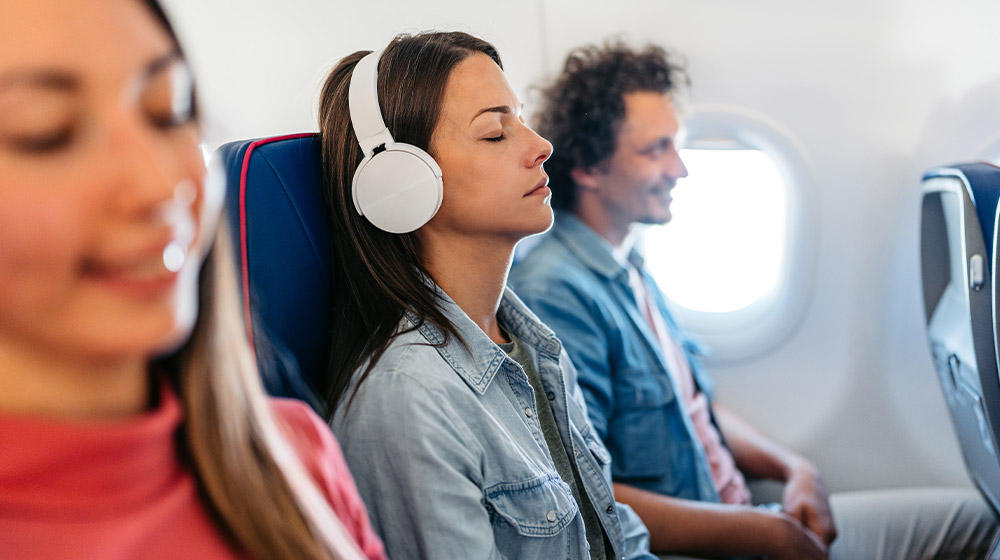
- Distract yourself: with music, a book, a game, or a conversation.
- Do small relaxation exercises while seated.
- Use helpful tools like noise-canceling headphones, neck pillows, or sleep masks.
Additional ways to overcome fear of flying
Want to work on your fear of flying long-term and overcome it completely? These strategies can help:
Learn more about aviation
Understand how airplanes work, how pilots are trained, and how air traffic is controlled. This builds trust through knowledge.
Attend an anti-fear-of-flying seminar
In specialized courses, you’ll learn from experts and others affected how to reduce your fears: you’ll gain insights into aviation technology and safety measures, and learn anxiety management techniques.
Practice relaxation techniques
Breathing exercises, meditation, or methods from cognitive behavioral therapy can help interrupt negative thoughts and calm the body.
Seek medical support
In some cases, a doctor-prescribed medication may help. Be sure to consult your general practitioner for advice.
Travel relaxed with Europäischen Reiseversicherung
There’s no insurance specifically for fear of flying – but with European Travel Insurance, you can still travel worry-free. Our CompleteCover insurance offers optimal coverage and comprehensive services for your flight, so you can focus on what really matters: enjoying your trip.