

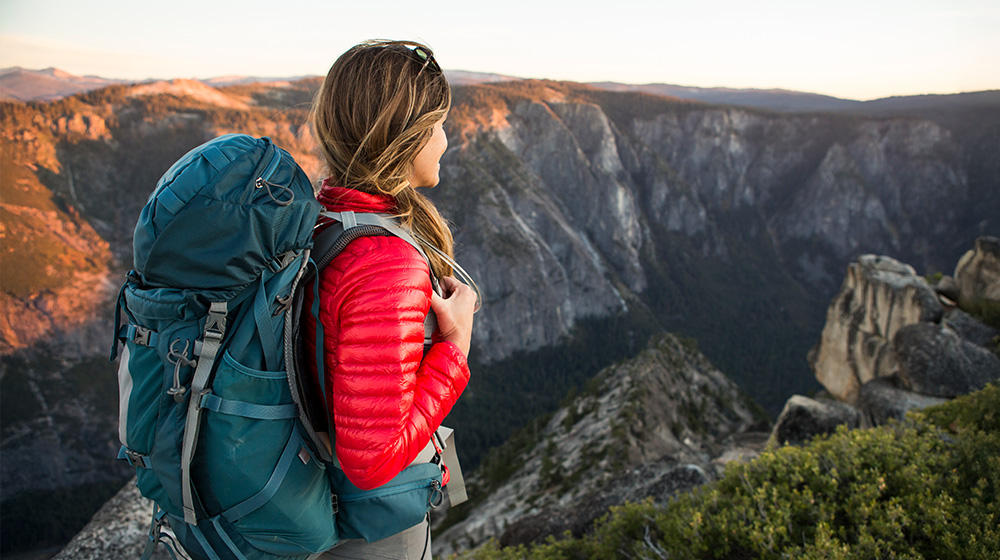
Imagine this: you are standing at the bus station of a foreign city, the backpack sits comfortably on your shoulders, and in front of you lies a route that you determine yourself. This is exactly what makes backpacking so appealing. Freedom, flexibility and authentic encounters are the reasons many people choose this form of travel. At the same time, backpacking also requires a certain amount of planning – from the packing list to health information and safety precautions. This guide shows you how to reduce risks, travel well prepared and stay flexible on the road. Please note that this guide does not replace medical advice.
What you will know after reading:
- how to keep your backpacking packing list slim and functional.
- how to plan your route safely and flexibly.
- how to reduce health risks abroad.
- how to protect documents and valuables while traveling.
- why travel insurance is important for backpackers.
The most important points summarised
- Pack light and functional – this keeps your backpack comfortable to carry.
- Inform yourself well about climate, health and local rules.
- Secure your digital and physical documents.
- Paying attention to hygiene and drinking water quality is essential.
- Travel insurance offers important protection in case of illness and accidents.
What makes backpacking special – and what matters?
Backpacking means independent and conscious travel with little luggage. If you want to stay flexible on the road, you should make some basic decisions beforehand: which region suits your travel budget? How do you travel safely? And which health precautions are useful? For good preparation we recommend our travel magazine. There you will find numerous guides on travel safety, travel preparation and travel inspiration.
Backpacking packing list – what really belongs in your luggage?
A well‑thought‑out packing list is the foundation of every backpacking trip. It saves weight, reduces stress and helps you take the essentials without burdening yourself with unnecessary items.
Important essentials:
- travel documents: passport, copies, emergency contacts
- health: travel pharmacy, personal medication, disinfectant gel
- clothing: light, quick‑drying materials
- tech: power bank, chargers, travel adapter
- safety: lock, money belt, digital document backup
What belongs in your travel pharmacy and how to put it together appropriately? You will find this in our guide: travel pharmacy – individual health preparation for the road.
Packing your backpack correctly – how does the backpack stay comfortable?
An optimally packed backpack distributes weight ideally and protects your back. The right placement of items is essential. Ideally packed is what you can reach within 30 seconds.
Tips for back‑friendly packing:
- place heavy items close to the body and in the middle
- roll clothing instead of folding
- use compression bags
- keep daily essentials outside or on top
- store your water bottle within easy reach
Backpacking and health – what do you need to consider?
Depending on the destination, different health risks apply. Check early which vaccination recommendations, hygiene rules and local specifics are important for your travel route. Current country‑specific travel information is available from the Ministry of Foreign Affairs (BMEIA).
Illness, accidents or unforeseen incidents abroad can also become expensive. Suitable travel insurance offers reliable protection.
Important travel health essentials:
- up‑to‑date vaccination status
- sun protection and heat prevention
- safe drinking water sources
- insect protection
- careful food hygiene
- travel insurance
How to avoid sunburn can be found in the article sun protection while traveling.
How do you plan your backpacking adventure safely and realistically?
Backpacking means spontaneity, but a basic structure helps reduce risks and avoid unnecessary costs. Always inform yourself about climate, political situation and current safety advice. Official travel warnings are provided by the Ministry of Foreign Affairs.
Planning a backpacking route – flexible, safe and sensible
A good route combines planning with space for spontaneous decisions. When choosing your travel destination, pay attention to climate, seasons and transportation options.
Important aspects of route planning:
- consider monsoon or rainy seasons
- check transportation options in advance
- plan a budget buffer
- choose realistic stages
- prefer safe areas
Safety on the road – how to protect yourself from theft and fraud?
Backpackers are often very mobile and therefore more easily recognisable for certain scams. With simple measures you can minimise the risk.
Safety tips for everyday backpacking:
- carry valuables close to your body
- never leave bank cards unattended
- carry cash preferably in small amounts
- choose accommodations based on reliable reviews
- save emergency contacts locally
Our tip:Save copies of your passport additionally encrypted in a secure cloud.
Conclusion: maximum freedom thanks to planning and preparation
Backpacking is one of the most intense ways to travel – and with the right preparation, also one of the safest. If you pack light, plan your route flexibly and well informed, and pay attention to health aspects, your trip will be an enriching experience. Pay attention to regional specifics, basic safety rules and suitable travel insurance that covers medical costs abroad and offers repatriation – then nothing stands in the way of your adventure. Whether you travel alone, as a couple or in a group: good preparation gives you more freedom on the road.
FAQ
How big should a backpack for backpacking be?
For most trips, 40–60 litres are optimal. Larger models tempt you to pack too much and can become unwieldy on the road. Ideally, the weight is 10 to 12 kg.
How much budget do I need per day?
Costs depend on the destination. In Southeast Asia many travelers get by with little money. South America can be travelled with a medium budget, while Europe is more expensive. A budget buffer is always sensible.
Which vaccinations do I need?
Recommendations vary depending on the country. Official information is available from the Ministry of Foreign Affairs and the Federal Ministry of Health.
Is backpacking alone safe?
Traveling alone is possible if you stay informed, choose safe accommodations and share your route with relatives.
Can I drink tap water everywhere?
Not everywhere. Inform yourself in advance about local water quality or use bottled water.
How do I find safe accommodations?
Pay attention to reviews, central location, reliable booking platforms and a 24‑hour reception.
Do I need travel insurance?
Travel insurance protects you from high costs in case of illness and accidents abroad and is especially recommended for backpackers.